




Hug Punch the Monkey: Latest Updates, Viral Video & the Story Behind It

You must see Punch, an adorable baby monkey, via all the social media and news. His case became a global phenomenon when videos began circulating showing him clinging to an orangutan-shaped plush toy.
In this blog, we share Punch's latest updates, explore the reasons behind his behavior and the related animal welfare concerns, examine the market reactions that followed, and show you how to create heartwarming videos and images inspired by the lovable little monkey.

- Who is Punch? The Latest Updates of the Orphan Monkey
- How to Create Heart-Warming Punch Images and Videos
- Understanding the Behavior: Comfort Objects and Welfare in Macaques
- The "Plushie Effect": From the Story to the Market
- FAQs about Punch the Monkey
Who is Punch? The Latest Updates of the Orphan Monkey
Punch (also referred to as Panchi-kun) is a Japanese macaque infant from the Ichikawa City Zoo. In media coverage, Punch has been described as an infant rejected by his mother and initially raised by keepers, who gives him an orange orangutan plush toy to serve as a mother alternative.
Punch first went viral in a video showing him dragging his stuffed toy around the zoo and trying to interact with other monkeys in the group. However, in the strict social hierarchy of monkey societies, Punch's attempts did not go as smoothly as hoped. Several visitors later filmed moments where he was dragged or bullied by older monkeys, which raised widespread sympathy among visitors and internet users. More and more people began supporting him and sharing the latest videos on social media.
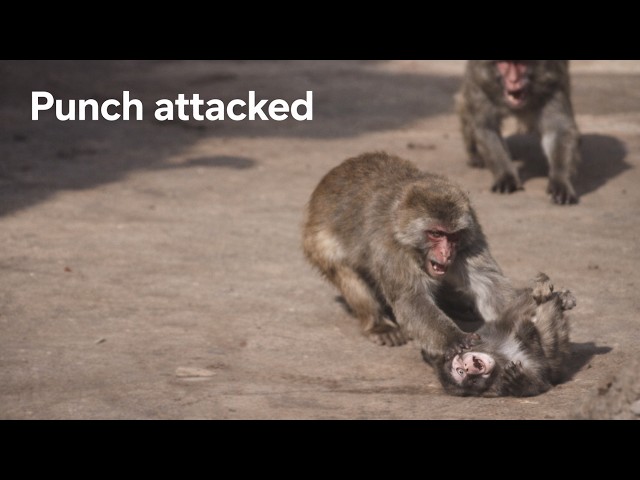
Fortunately, according to the latest updates from Ichikawa City Zoo's X account, Punch has recently been seen climbling on other monkeys' backs and sometimes being groomed or hugged, behaviors that are widely interpreted as signs of acceptance within the troop. He has also been spotted several times without carrying his “orange soft mommy,” spending more time interacting with older monkeys and playing with other young ones.

How to Create Heart-Warming Punch Images and Videos
Give Punch a Hug
- Go to MyEdit and open the AI Image Generator.
- Select your preferred AI model. In this case, I recommend using Nano Banana for consistent results. Then, upload your photo and Punch's photo separately via the Reference Images.
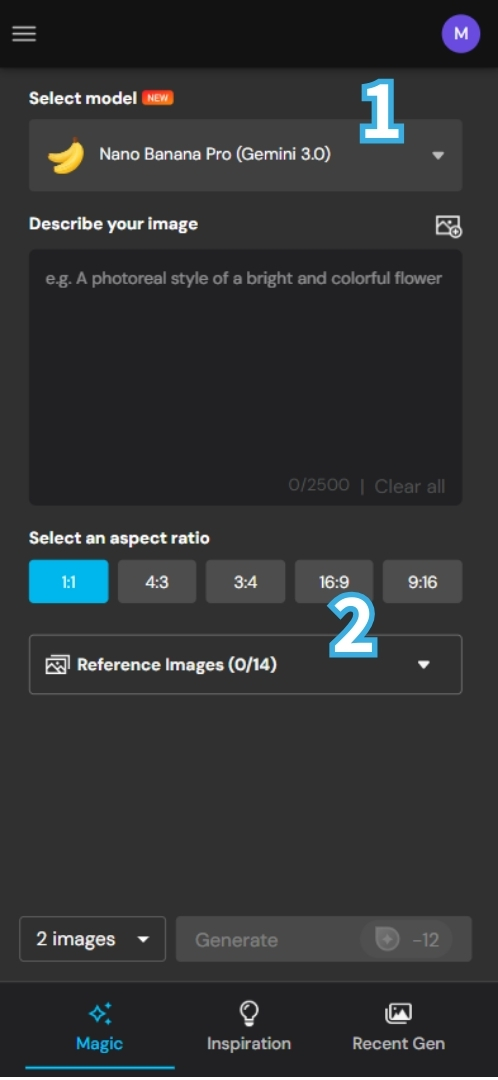
- Enter the prompt: Let the woman (or man), the baby monkey, and the stuffed toy hug each other.
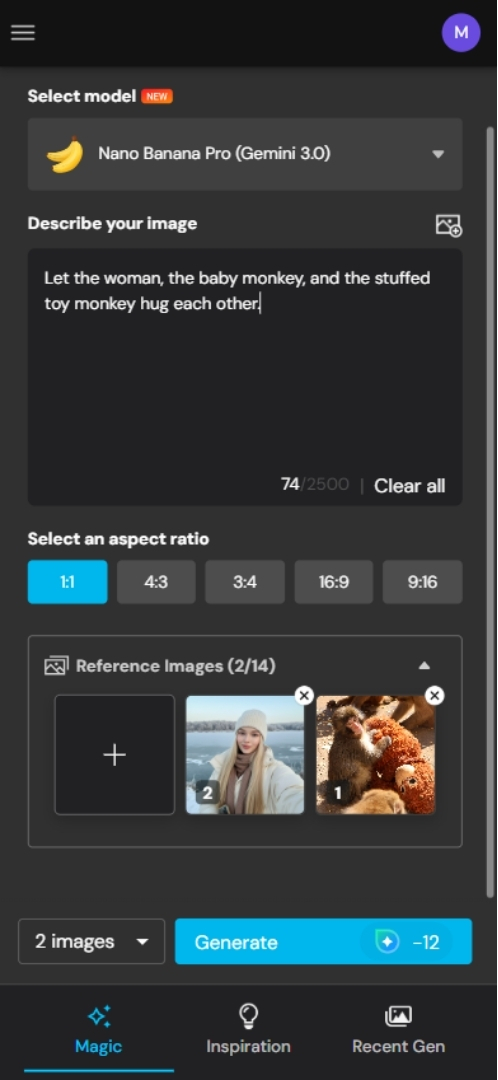
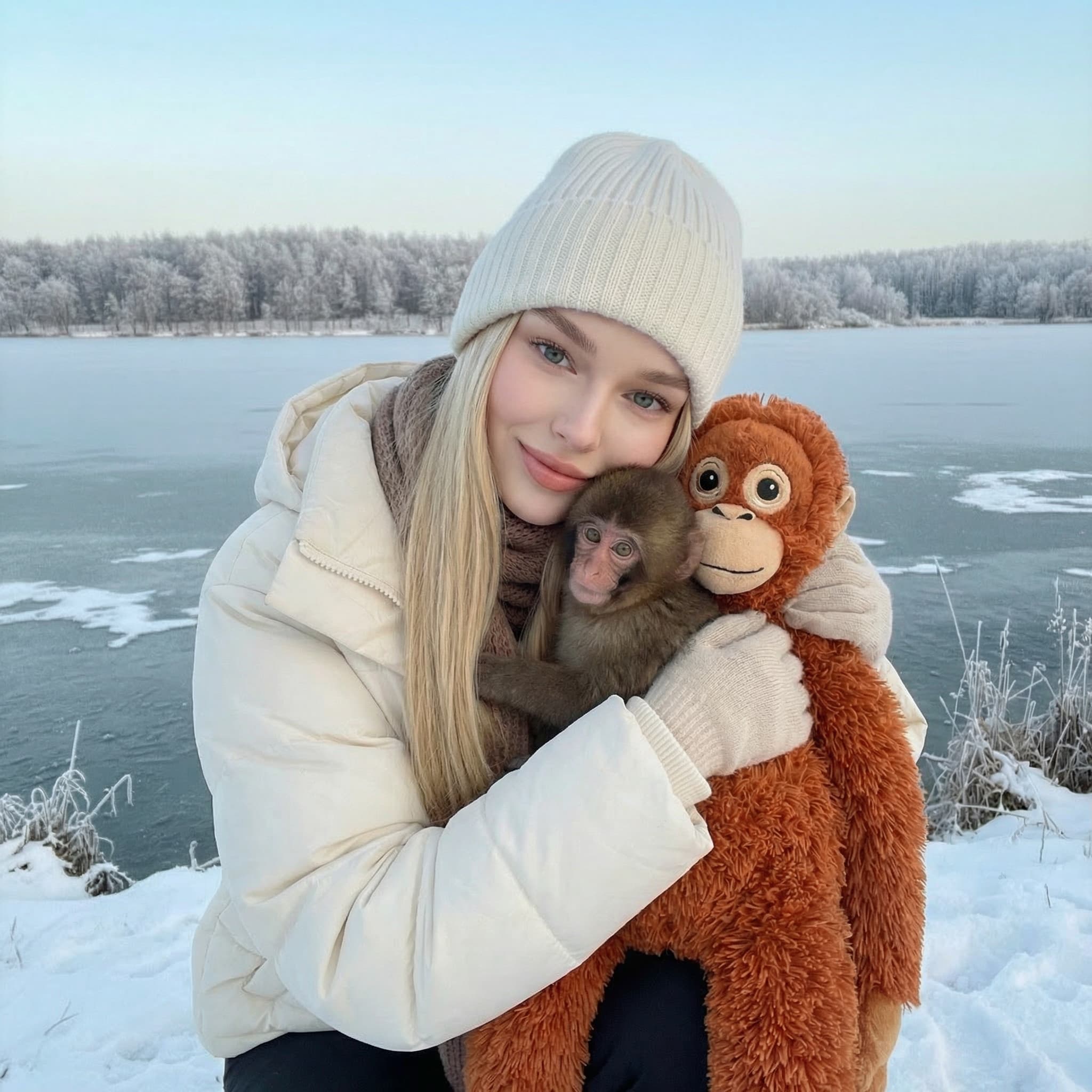
- Click Generate and show your support for the baby monkey.


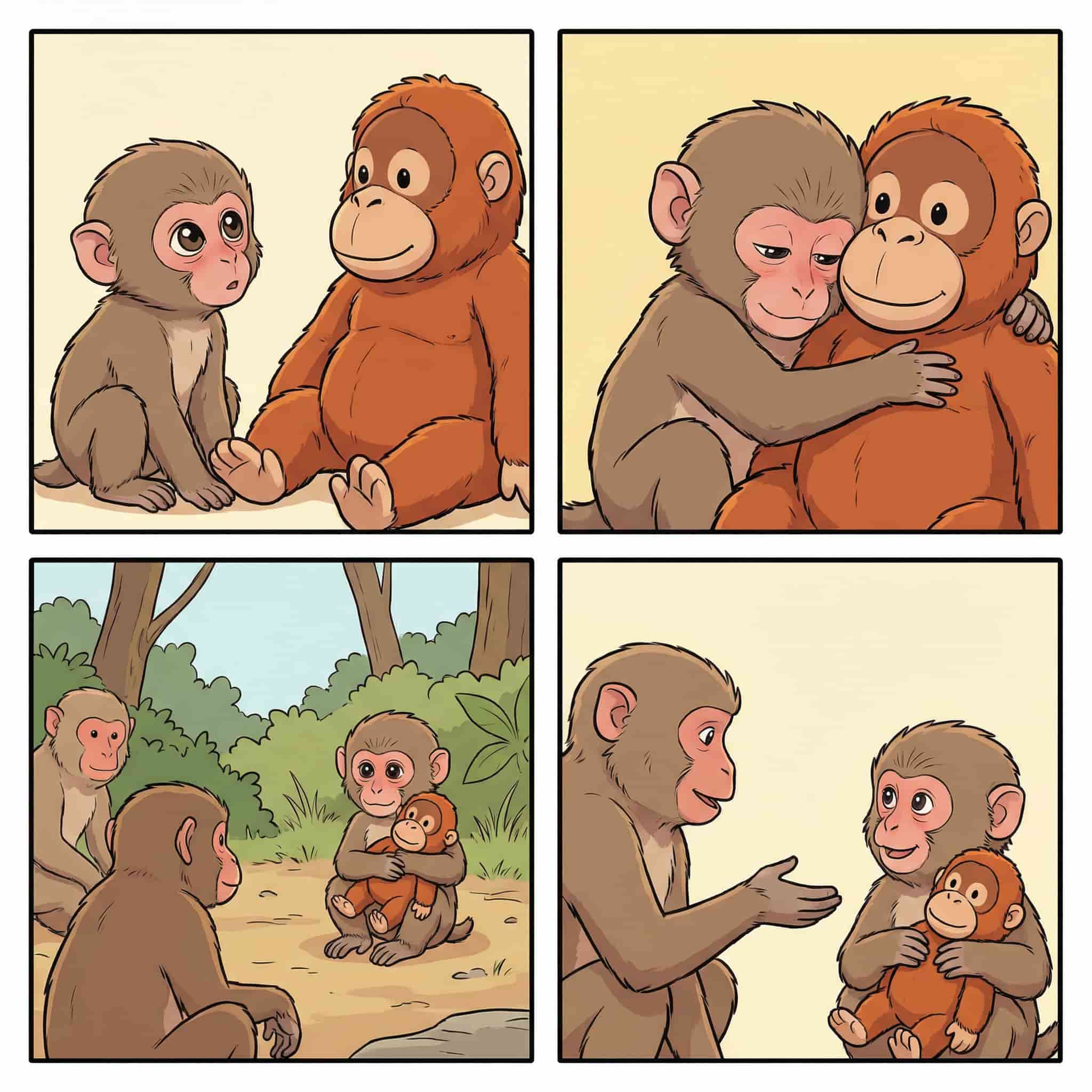
Turn Punch's Story into a 4-Panel Comic
- Go to MyEdit and open the AI Image Generator.
- Select your preferred AI model. In this case, I recommend using Nano Banana for consistent results.
💡For better results, you can upload the photos of Punch and his plushie for reference. - Write the prompt (description) and add composition details: shot type, background, lighting, emotions. You can find a ready-to-use prompt below.
Prompt:
Clean and consistent 4-panel comic strip. Character: Punch, a small baby Japanese macaque with big eyes and a tender expression. Object: large orangutan-type plush monkey.
Panel 1: Punch looks at the plushie with curiosity.
Panel 2: Punch hugs the plushie tightly, looking calmer.
Panel 3: Punch sits near other macaques at a safe distance, holding the plushie.
Panel 4: Punch receives a friendly gesture (no aggression), keeps the plushie and smiles.
Simple background, no text, no logos, warm colors, consistent lines. - Download the image and share it with your friends.

Bring Your Punch Photo to Life
- Go to MyEdit and click Image to Video.
- Upload your image and choose an AI model, such as Veo 3.1, Kling, or Vidu. Then set the video length, aspect ratio, and whether to include sound.
- Enter a custom prompt. Describe the scene and movements in detail to better match your expectations.
- Click Generate and share the video to go viral.
Understanding the Behavior: Comfort Objects and Welfare in Macaques
The viral phenomenon surrounding Punch and his plush monkey is more than just a touching visual; it serves as a window into the complex behavioral needs and welfare challenges of primates in managed care.
The Functional Role of the Plushie: More Than a Toy
While the image of a tiny monkey clinging to a plushie evokes a human sense of "protection," the behavior is rooted in biological necessity. In social animals like Japanese macaques, a stable physical object acts as a regulatory support when natural social bonds are disrupted.
For Punch, keepers introduced the plushie as a compensatory tool to address specific stressors:
- Stress regulation: During periods of social reintegration or high public exposure, a familiar object provides a "behavioral anchor."
- Tactile Substitution: Primates rely heavily on body contact for security. When maternal care is absent, the plushie serves as a surrogate for the physical reassurance normally provided by a mother.
- Social Buffer: As Punch navigates the steep learning curve of group norms, the object offers a sense of consistency amidst the unpredictable dynamics of the troop.
Deconstructing the "Maternal Rejection" Narrative
The viral narrative often simplifies Punch's story into a "bad mother" trope, but primatology suggests a more nuanced reality. Experts point to a combination of environmental and social factors that can lead to infant abandonment:
- Maternal Inexperience: First-time mothers in primate societies often lack the learned behaviors necessary for successful rearing.
- Environmental Stress: Factors such as extreme heat and the intense hierarchical pressure of macaque society can compromise a mother's ability to care for her offspring.
- Group Dynamics: In a species governed by strict social rules, the challenge isn't just physical survival, but learning "how to belong"—knowing when to approach, how to request grooming, and how to interpret threat signals.
Animal Welfare and Institutional Transparency
The global attention on Punch has shifted the spotlight toward broader welfare concerns at the facility. Observers noted visible hair loss among the macaques, a condition the zoo's veterinarians attributed to overgrooming—a behavior often linked to social stress or boredom.
The "Plushie Effect": From the Story to the Market

Punch's virality didn't stop at social media: it also caused a measurable commercial impact on the IKEA DJUNGELSKOG orangutan plush toy, which many users directly associated with the plush monkey seen in the videos. International media reported stockouts and shortages in various countries (including Japan, the United States, South Korea, and Singapore), as well as significant increases in search and demand across online channels and physical stores.

IKEA also entered the public narrative. Some coverage notes that the company reacted to the peak in demand with communication regarding availability and replenishment plans, and that donations of additional units were made to the zoo to ensure the plushie remained available for the animal during the adaptation process.
FAQs about Punch the Monkey
He is described as an orphan monkey in the popular sense because he was rejected by his mother and received assisted rearing by keepers; it does not always imply that the mother has died.
Coverage agrees that the plush monkey was introduced as a comfort object during his adaptation, in the face of a lack of maternal care and social stress.
Punch lives at the Ichikawa City Zoo in Chiba Prefecture, Japan.
Yes. The zoo stated that its veterinarians confirmed overall good health, explained the hair loss as being due to overgrooming, and pointed to tests of improvements and enrichment, as well as monitoring Punch's integration.
Punch became a famous monkey due to a very powerful image—an orphan monkey hugging a plush monkey—but the lasting interest in the case lies in what it reveals: how early attachment influences adaptation, how hierarchy defines the social life of macaques, and how mass exposure can shift public conversation toward welfare, management, and media responsibility.
As industry experts in generative AI, the CyberLink AI Research Team has spent over 5 years benchmarking and analyzing the rapidly evolving landscape of creative technology. The team conducts rigorous testing of emerging AI tools for content creation, delivering weekly insights and practical workflows that help millions of creators worldwide each year identify the most suitable AI solutions to enhance their productivity.
😜 Outside of their research, the team actively experiments with AI-driven video creation, builds content across social platforms, and explores new side projects, all with the long-term goal of achieving greater creative and financial freedom.


